 Life Koji Australia | Small Koji, Big Life Change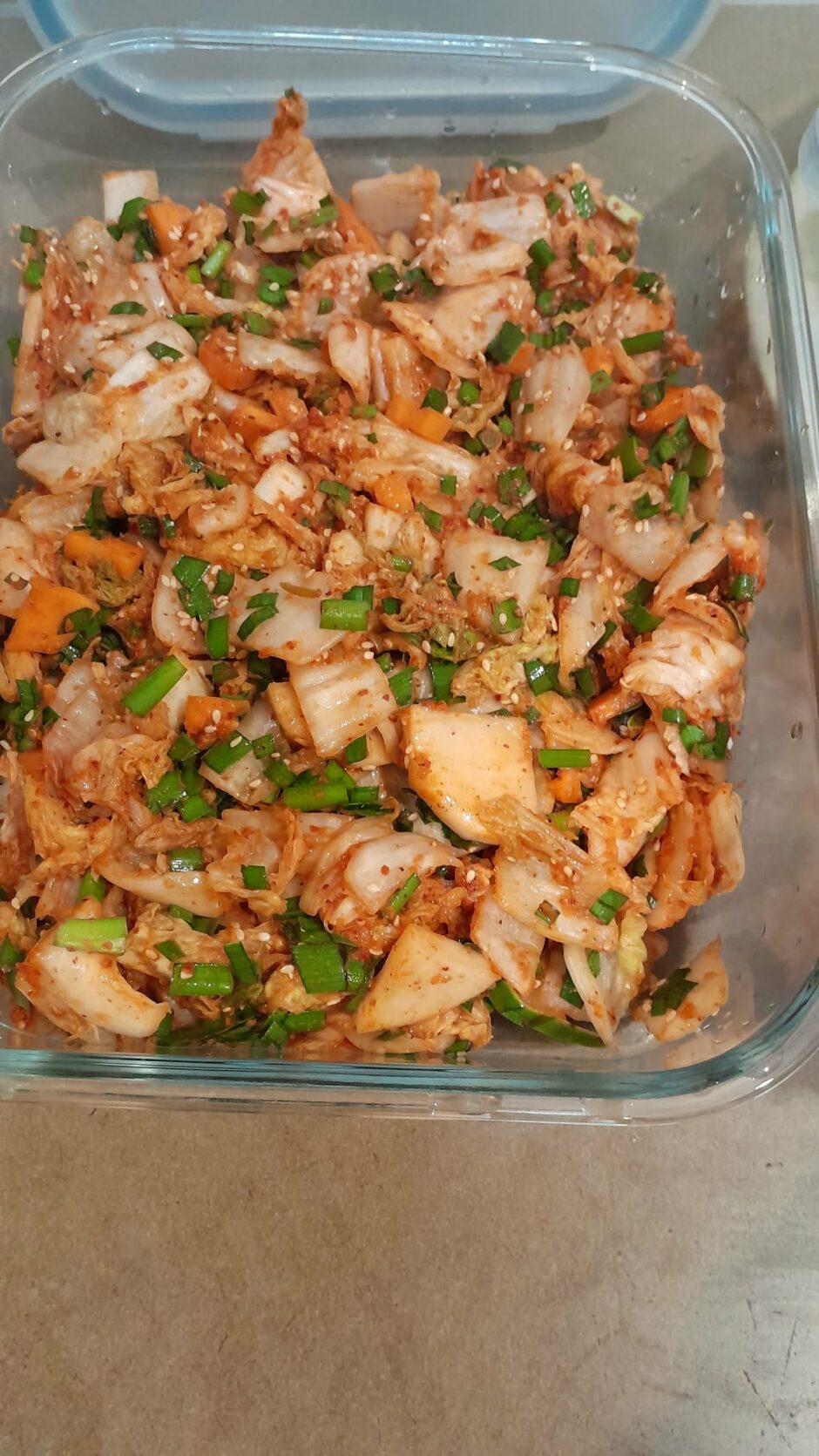

Koji is often associated with Japanese food.
Miso, soy sauce, sake.
But in my kitchen,
koji is not limited to one cuisine.
koji is not just for Japanese food.
It’s often associated with miso, soy sauce, and sake—but its role goes far beyond Japanese cuisine.
Koji has a long history in Japanese cuisine.
It was developed to bring umami,
softness, and depth to simple ingredients.
That history is important.
But the function of koji goes beyond tradition.
What Koji Actually Does to Food
Koji works with protein, sugar, and time.
It softens meat,
adds natural sweetness,
and brings out flavors that are already there.
These principles are not Japanese.
They are universal.
How I Use Koji in Everyday Cooking
I use koji with meat,fish, oil,pasta,vegetables,
and fruit.
Koji doesn’t belong to one cuisine.
I also use it with tacos,
kimchi-style vegetables,
and everyday family meals.
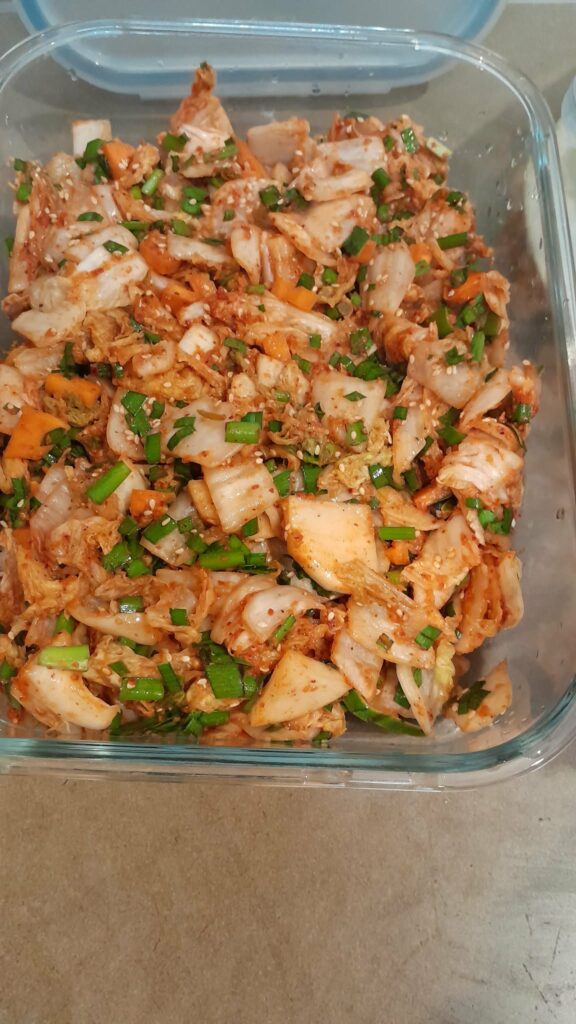
Fermentation is not about being Japanese.
It’s about helping food work better with our bodies.
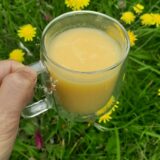
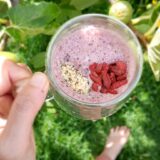
I blend amazake into smoothies.
I use shio koji for simple Western-style cooking.
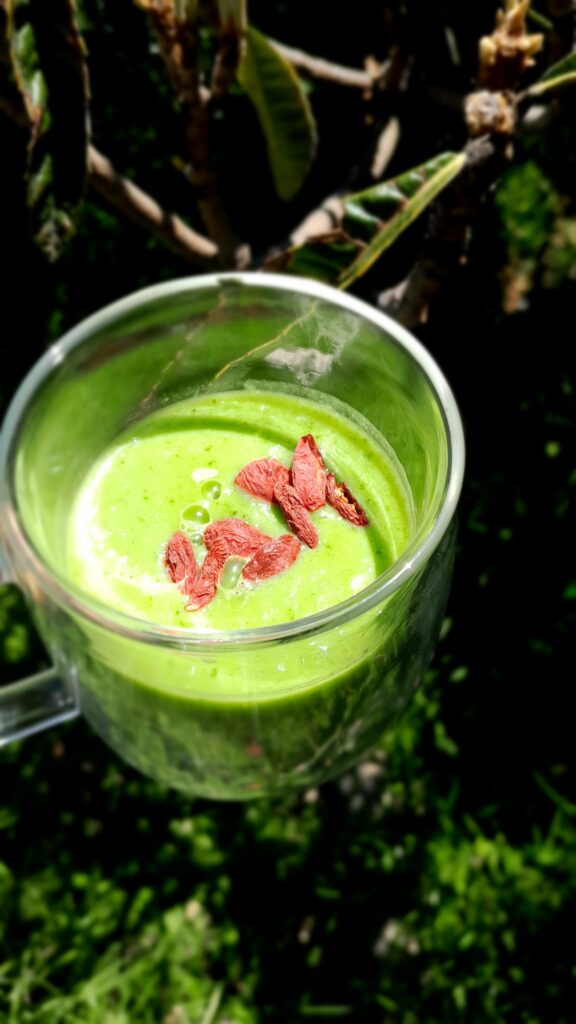
Koji fits naturally into everyday meals,
not only Japanese ones.
You don’t need to cook Japanese food
to use koji.
You only need good ingredients
and a simple intention:
to make food gentler and more nourishing.
For me, koji is not a cuisine.
It’s a way of thinking about food.
That’s why koji works so well
in modern, mixed, everyday kitchens.
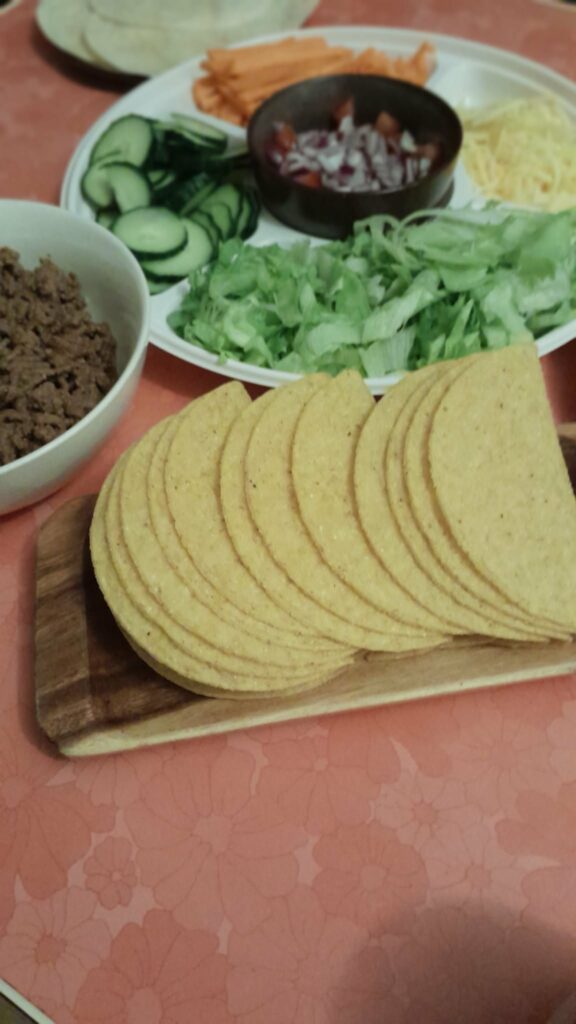
I make and use koji daily in my kitchen in Australia.
If you’re curious how I use koji daily,
see my Amazake basics.
 Discover Amazake: The Sweet Fermented Rice Drink
Small choices.
Everyday life.
small koji,Big chage(flavour as well)