 Life Koji Australia | Small Koji, Big Life Change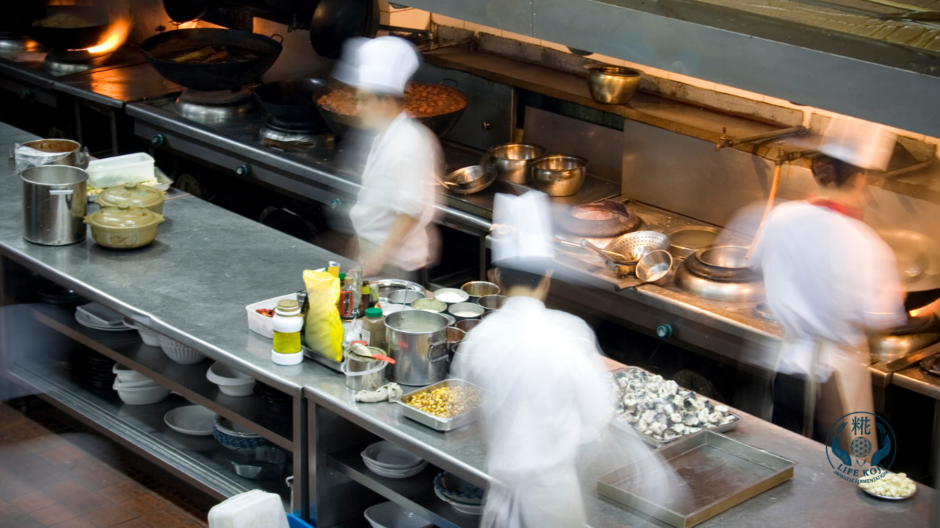

How Koji Improves Texture, Moisture, and Consistency in Professional Kitchens
Why chefs trust koji
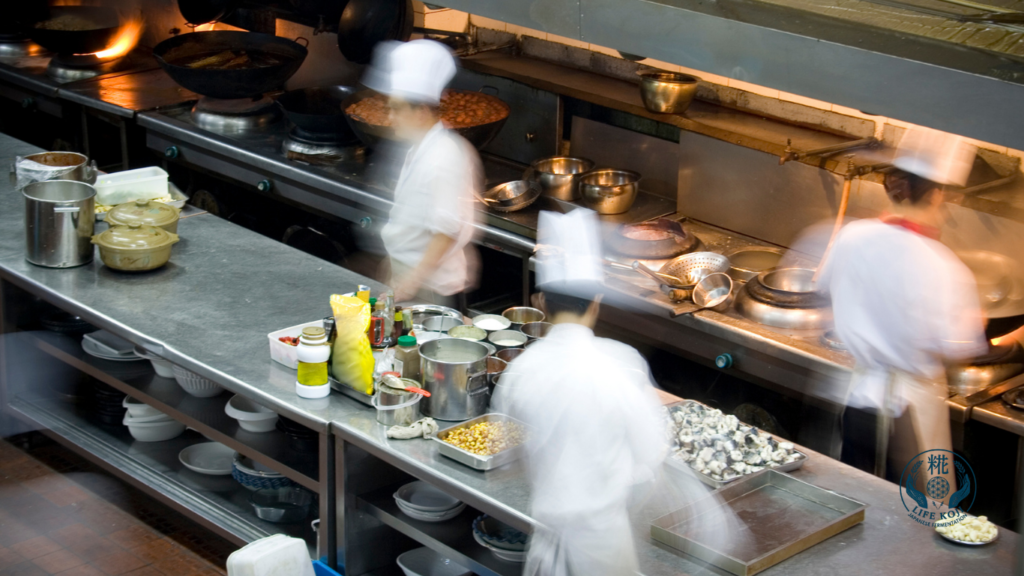
In a busy kitchen, consistency matters.
Chefs don’t have time for complicated techniques, unstable results, or ingredients that only work sometimes.
That’s why chefs trust koji.
Not as a trend, and not as a shortcut —
but as a quiet, practical tool that supports everyday cooking.
Koji doesn’t change how you cook.
It changes how food behaves.
What chefs actually need from koji
Professional kitchens don’t need more flavor layers.
They need reliable outcomes.
Chefs use koji because it helps with:
Better moisture retention
Softer texture without added fat
More consistent results across batches
Minimal impact on the original flavor
Simple integration into existing workflows
In other words, chefs are not looking for something new.
They are looking for something dependable.
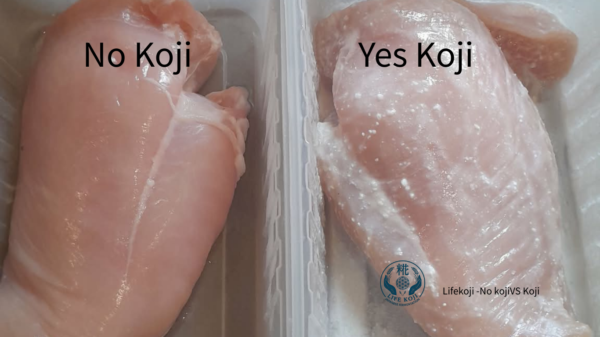
Real kitchen test: chicken breast
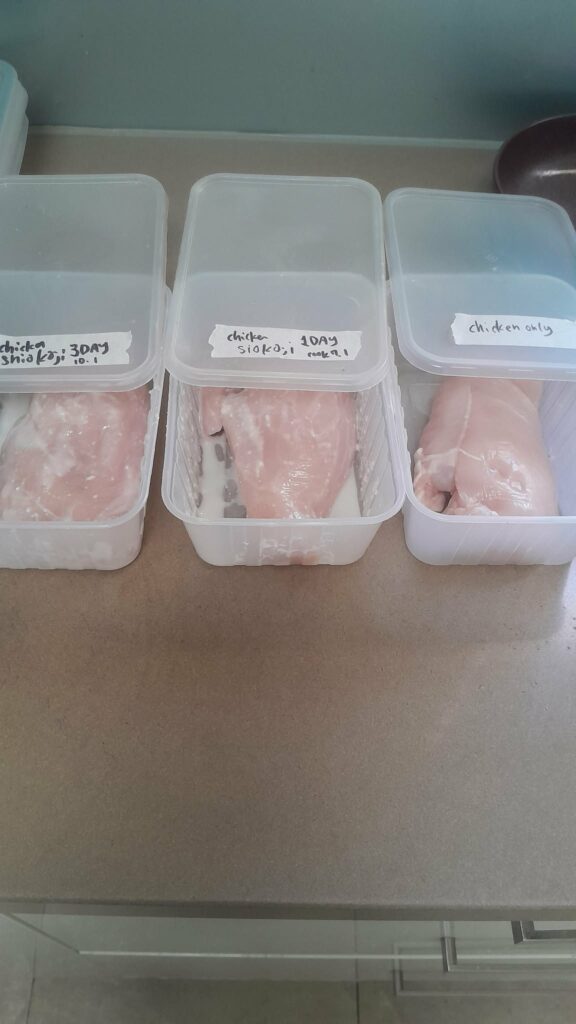
To understand why chefs trust koji, it helps to look at a simple test.
The setup was intentionally basic:
Same cut of chicken breast
Same weight
Same pan
Same heat
Same cooking time
The only difference was koji.
One piece was cooked without koji.
The other was marinated with salt koji before cooking.
As a result, the difference was immediate and visible.
The koji-marinated chicken retained more moisture.
The texture stayed tender, even after resting.
Meanwhile, the untreated chicken tightened quickly and dried faster.
Because of this, the result was not just better texture,
but more forgiving timing during service.
This kind of margin matters in real kitchens.
How chefs use koji in daily cooking
One reason chefs trust koji is that it doesn’t require a new system.
There’s no special equipment.
No complicated process.
No dramatic flavor change.
Typically:
Protein is kept whole (fillet or cut)
Koji is applied the day before
A small percentage is enough
Cooking remains exactly the same
As a result, koji fits naturally into prep routines.
Instead of adding work, it reduces stress during service.
Beyond chicken: where koji really shines

Although chicken is a clear example, it’s only the beginning.
Chefs apply the same principle to:
Other proteins
Vegetables
Sauces and dressings
Summer menus where moisture control matters
Over time, many kitchens realize that koji isn’t about one recipe.
It’s about improving the baseline quality of food.
 Why Chefs Trust Koji for Perfectly Tender Meat/Life Koji
Koji is not a shortcut
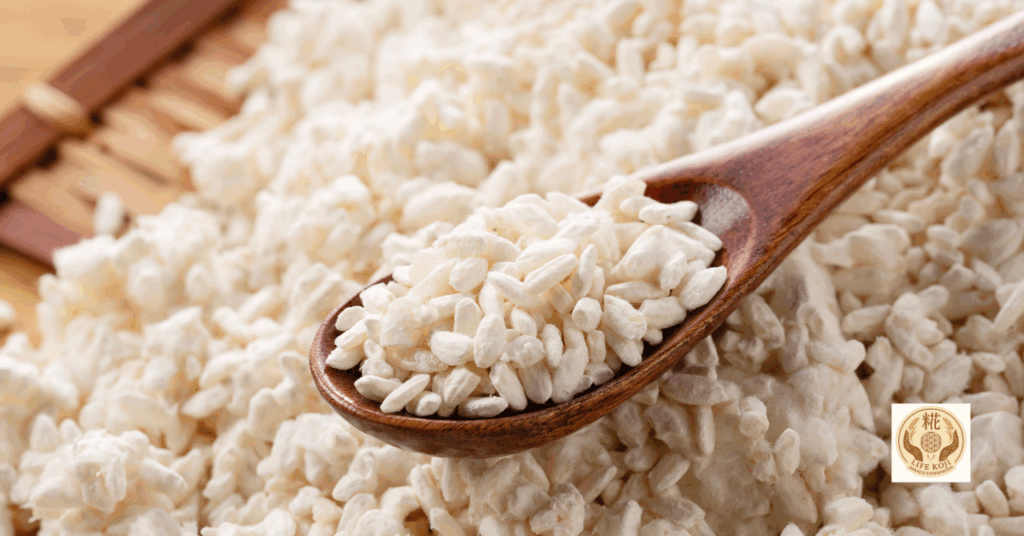
Koji does not replace technique.
It doesn’t cover mistakes.
And it doesn’t cook for you.
Instead, it supports skill.
Because of this, chefs trust koji not as a solution,
but as a foundation.
Good ingredients still matter.
Good cooking still matters.
Koji simply helps food reach its potential more consistently.
Final thoughts
If you’re curious, start small.
One protein.
One batch.
One simple test.
That’s how most chefs begin.
And that’s why chefs trust koji — quietly, steadily, and for the long term.